Nate's Blog
Abandon all hope, ye who enter here
-
Read more: ApOPL3xy Emulator
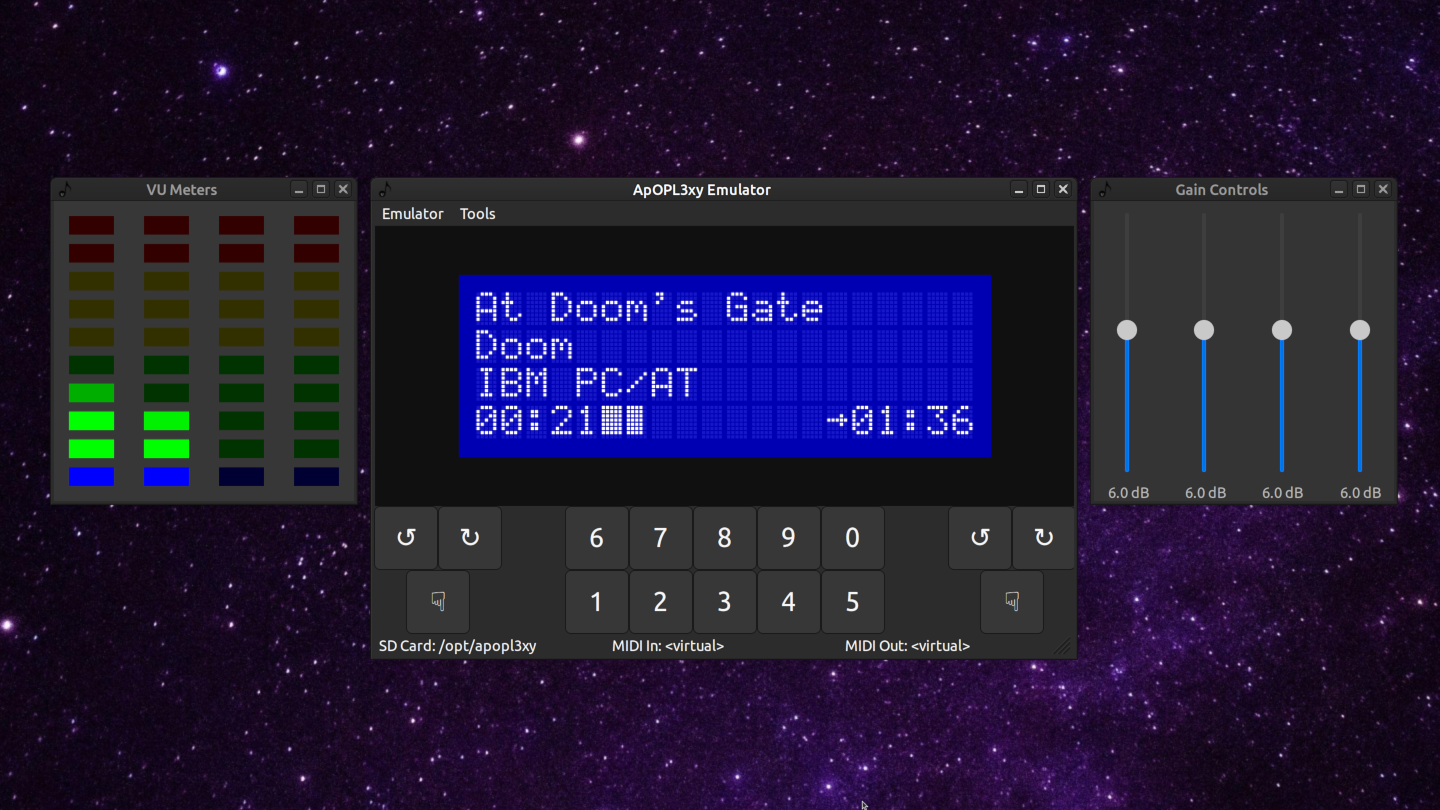
Last week, I posted about the ApOPL3xy reaching the version 1.0 milestone. This time, I want to discuss the emulator I wrote for it. I think it’s pretty cool. The emulator was initially conceived as a way to run the code on a computer with all the debugging tools that I’m used to having at…
Posted
by
-
Read more: ApOPL3xy 1.0
It’s been a long journey, but I finally have the ApOPL3xy hardware and software to the point where I can call it version 1.0.
Posted
by
-
Read more: Damon PCM
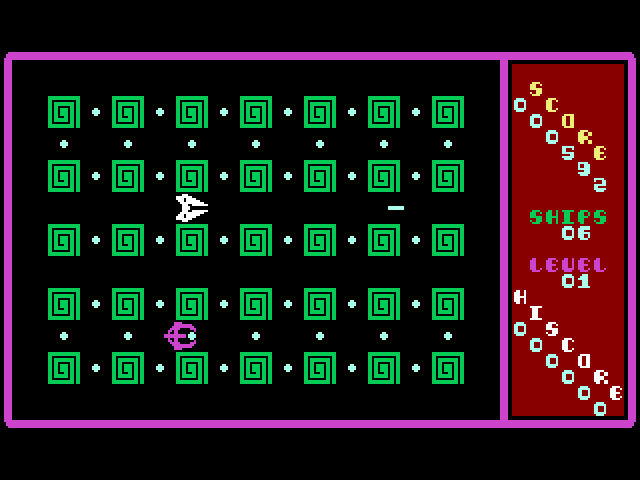
I’ve made and posted a new version of Damon: The Rocket Jockey which adds an updated music track.
Posted
by
-
Read more: Damon: The Rocket Jockey
About two months ago, I received in the mail my very own Commander X16 computer. This is a modern 8-bit computer envisioned and produced by David Murray (a.k.a The 8-Bit Guy) along with a thriving community. It’s inspired by Commodore computers from the 1980’s, primarily the Commodore 64. I hooked it up and started playing…
Posted
by
-
Read more: ApOPL3xy Hardware Design
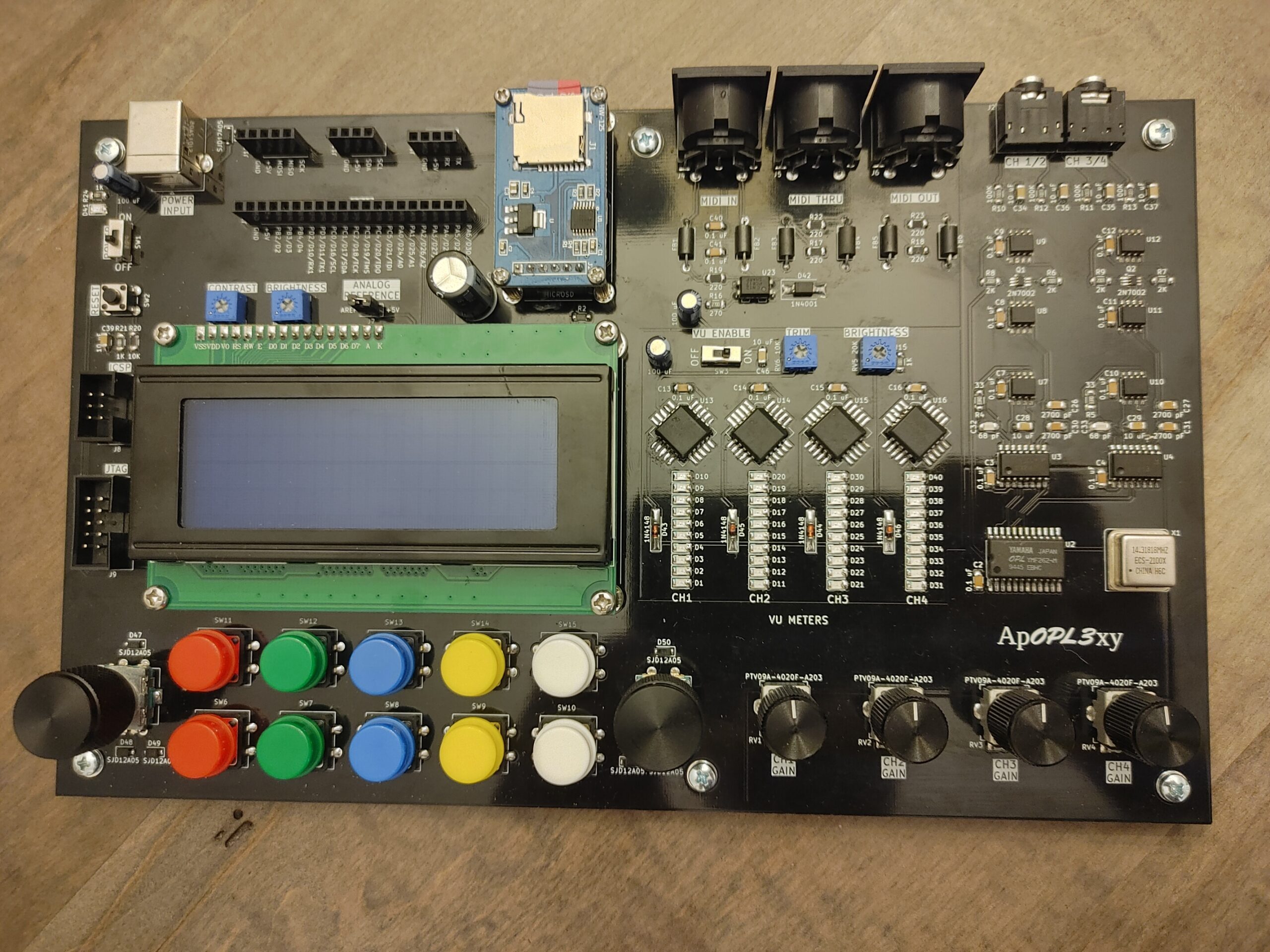
I’ve been working on designing and building a MIDI synthesizer (called the ApOPL3xy) based on the OPL3 FM synthesis chip and the ATmega1284 microcontroller. I’ve made a couple of posts about it (here and here) and have gotten some good questions from some people about how this or that works under the hood. So, for…
Posted
by
-
Read more: I Drove a Lamborghini
Last Christmas, my girlfriend Donnett got me a gift certificate to a company that offers supercar driving experiences, and I recently cashed it in. I could choose from 8 different cars, but it’s been a dream of mine for a long time to drive a Lamborghini, so it wasn’t a difficult decision to go with…
Posted
by
-
Read more: Moon Blaster
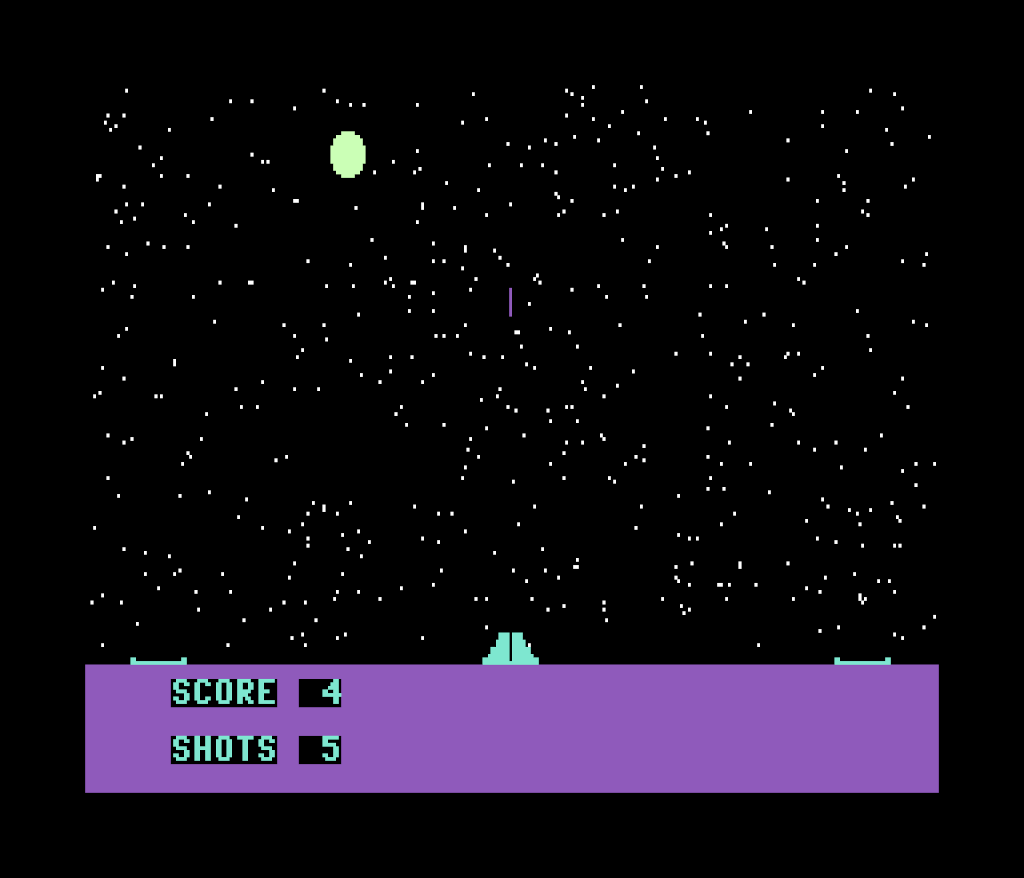
When I was about 11 or 12 years old, I wrote a simple game in Commodore 128 BASIC. It’s not very fancy, but it is a complete game, with sound, graphics, a title screen, and even a backstory. The object of the game is to fire missiles at a moon moving across the top of…
Posted
by
-
Read more: Quest for Tires
This is a story of nostalgia, retro-computing, gaming, reverse-engineering, and fixing a decades-old bug. It might be a bit long, and can get rather technical in places (a lot of places), but if you’re into that sort of thing, I think you may find it enjoyable. […]
Posted
by
-
Read more: EC11 Rotary Encoders
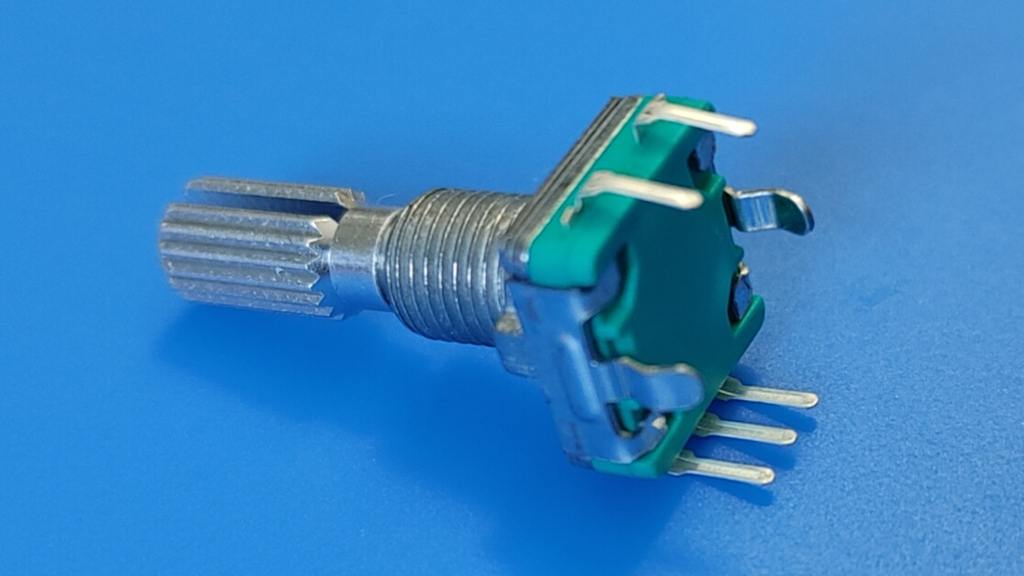
EC11 incremental rotary encoders are user-interface controls for electronic devices. They’re particularly useful for quickly adjusting settings through a range of possible values, or for scrolling through lists or menus. They’re also relatively inexpensive, and pretty easy to find. The way these devices work is rather interesting, and somewhat surprising if you’re unfamiliar with it.…
Posted
by
-
Read more: GPIO Pins, Shift Registers, and SPI
When using microcontrollers, like the ATmega line of chips, or boards based on them, like the Arduino series, General Purpose Input/Output (GPIO) pins are often at a premium. The Arduino Uno R3 (based on the ATmega328P), for example, has a maximum of fourteen GPIO pins […]
Posted
by